
Calendula is a small, bright yellow-orange flowering plant native to the Mediterranean. For generations, it's been used to soothe sensitive, wounded skin. Its healing properties make calendula benefits for babies undeniable.
So if you were thinking calendula is just a trend, it’s not.
And for your little babe with sensitive, eczema-prone skin, calendula is as gentle and natural as it gets. It's been calming irritated skin for centuries and it's not going anywhere. Here's everything you need to know about it.
What is calendula?
Calendula (Calendula officinalis), also called “pot marigold”, is a completely different plant from the common marigold in your garden. They might look similar, but calendula is in a category of its own.
For centuries, it was used to treat burns, bruises, and wounds. Healers applied the petals directly to insect stings to reduce pain and swelling, used it to treat pink eye, relied on it for superficial burns and wounds, and many other ailments. Its antimicrobial and anti-inflammatory properties are what make it effective and oh-so- gentle for baby skin.
Why is calendula safe for babies?
Babies need gentle skincare products. Your little babe’s skin is still developing and tends to be more permeable than yours. Meaning, what goes on matters a bit more. Harsh ingredients, synthetic fragrances, and unnecessary additives can easily irritate a baby's delicate skin barrier.
Calendula is different and works with your baby's skin:
-
It's naturally anti-inflammatory, which means it can help calm redness and irritation without aggressive chemicals
-
It's gentle enough for all ages
-
It has a long history of traditional use for sensitive skin conditions including rashes, dryness, and minor wounds
-
It works with your baby's skin and supports the skin barrier
Calendula benefits for baby skin
Soothes eczema-prone skin
Calendula's anti-inflammatory compounds help calm the redness, irritation, and itching that come with eczema flares. It won't cure baby eczema (nothing does), but it can help soothe a flare and support the skin barrier.
Helps with diaper rash
Diaper rash happens when sensitive skin is exposed to moisture, friction, and irritants for too long. Calendula helps calm that inflammation and supports healing of the irritated skin underneath.
Calms cradle cap
Cradle cap produces those flaky, crusty patches that show up on your baby's scalp in the early weeks. Calendula's gentle anti-inflammatory and skin-softening properties can help with cradle cap, soothing the scalp and supporting healthy skin.
Moisturizes dry skin
Calendula helps soften and soothe dry, rough patches, making it a great ingredient in everyday moisturizers for babies with dry or sensitive skin.
How does calendula work?
Calendula flowers contain a mix of bioactive ingredients that work together to support skin health:
-
Flavonoids and carotenoids - these are plant pigments with natural anti-inflammatory activity. They help reduce redness and calm irritated skin.
-
Triterpenes - they support wound healing and have antimicrobial properties that can help reduce the risk of secondary infection in broken or irritated skin.
-
Polysaccharides - these help support the skin's natural moisture barrier, keeping hydration in and irritants out.
So, calendula soothes the skin surface and supports the skin barrier at the same time.
Tubby Todd products that have calendula
Looking to add calendula into your baby's routine? Here are several Tubby Todd products that put it to work:
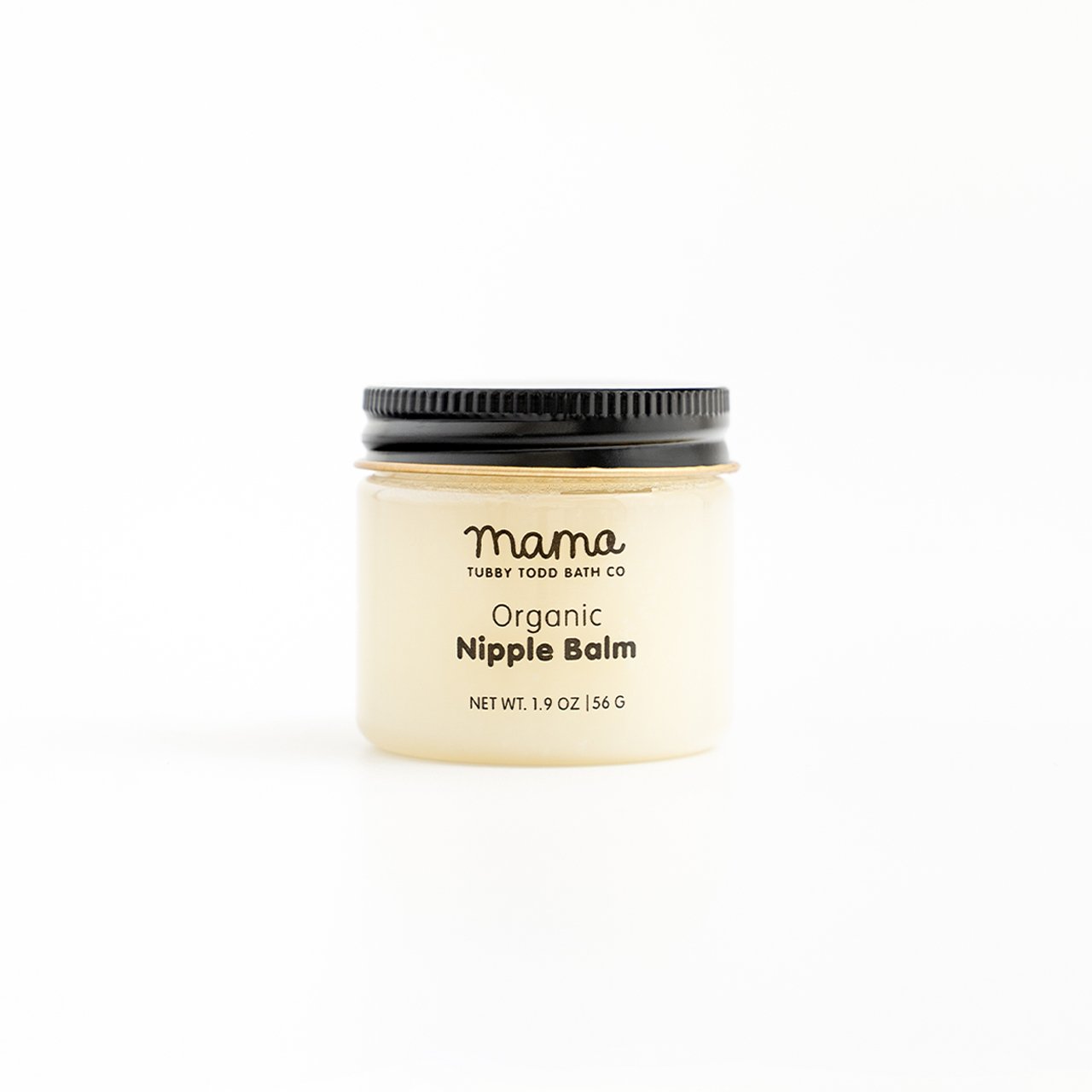
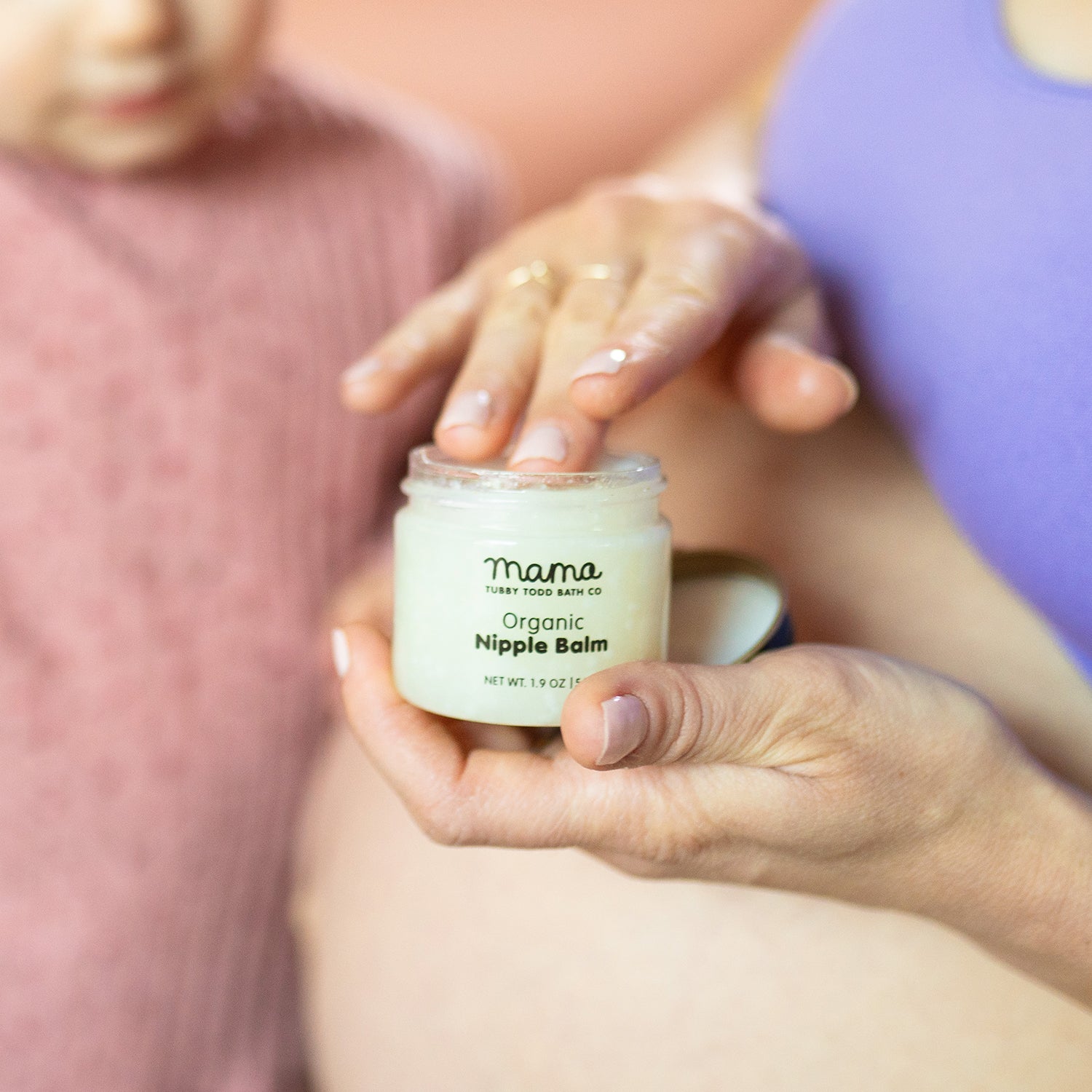
Nipple Balm

Formulated for nursing moms, our USDA-certified Organic Nipple Balm uses calendula alongside other soothing ingredients to help calm and shield tender, cracked skin during feeding. And because it's lanolin-free, it's safe if your baby comes into contact with it while nursing.
Diaper Rash Spray

Diaper rash can pop up fast, and you want relief even faster. Our Diaper Rash Spray combines calendula with other skin-calming ingredients to help soothe irritated skin at every diaper change. Easy to apply, gentle on sensitive skin, and no rubbing required.
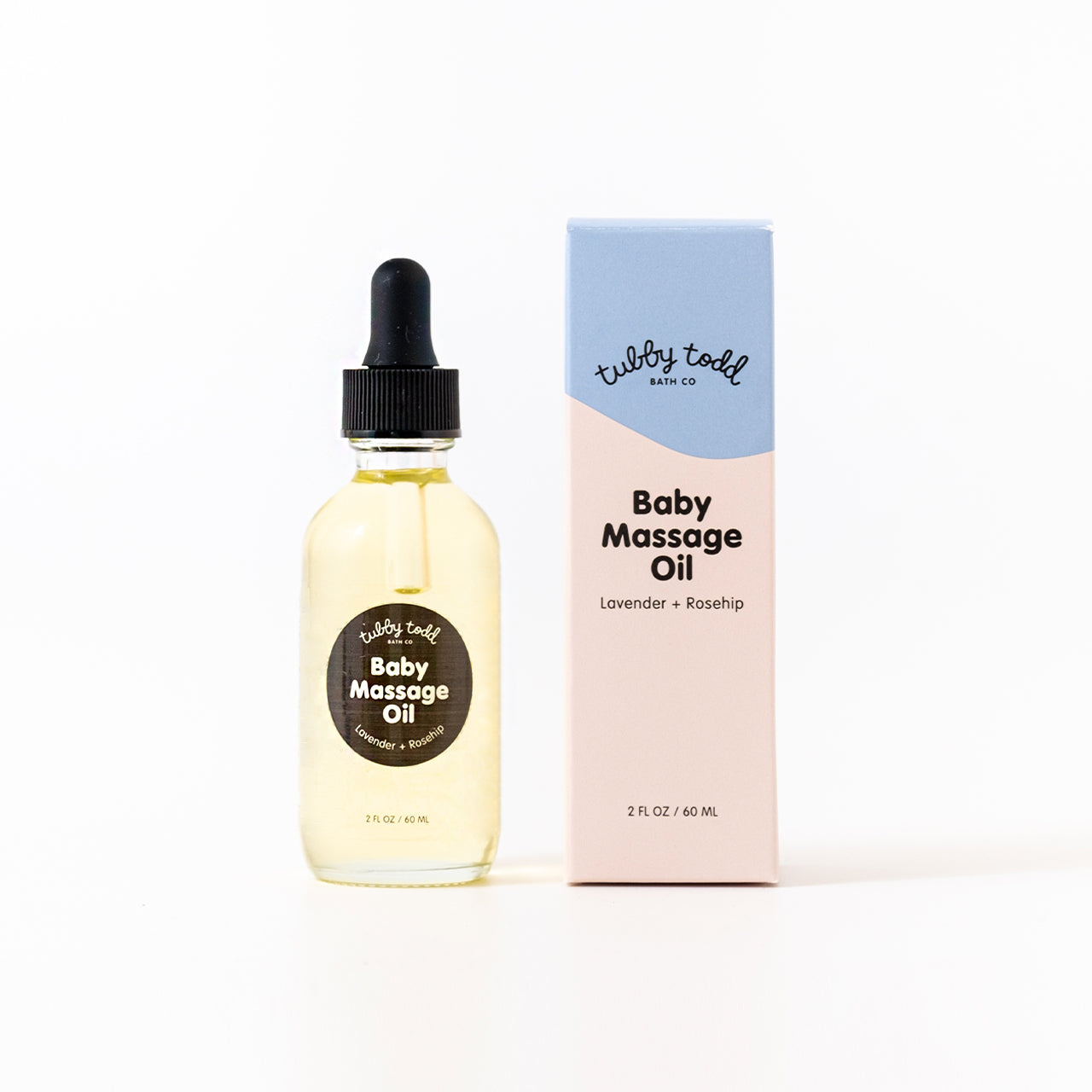
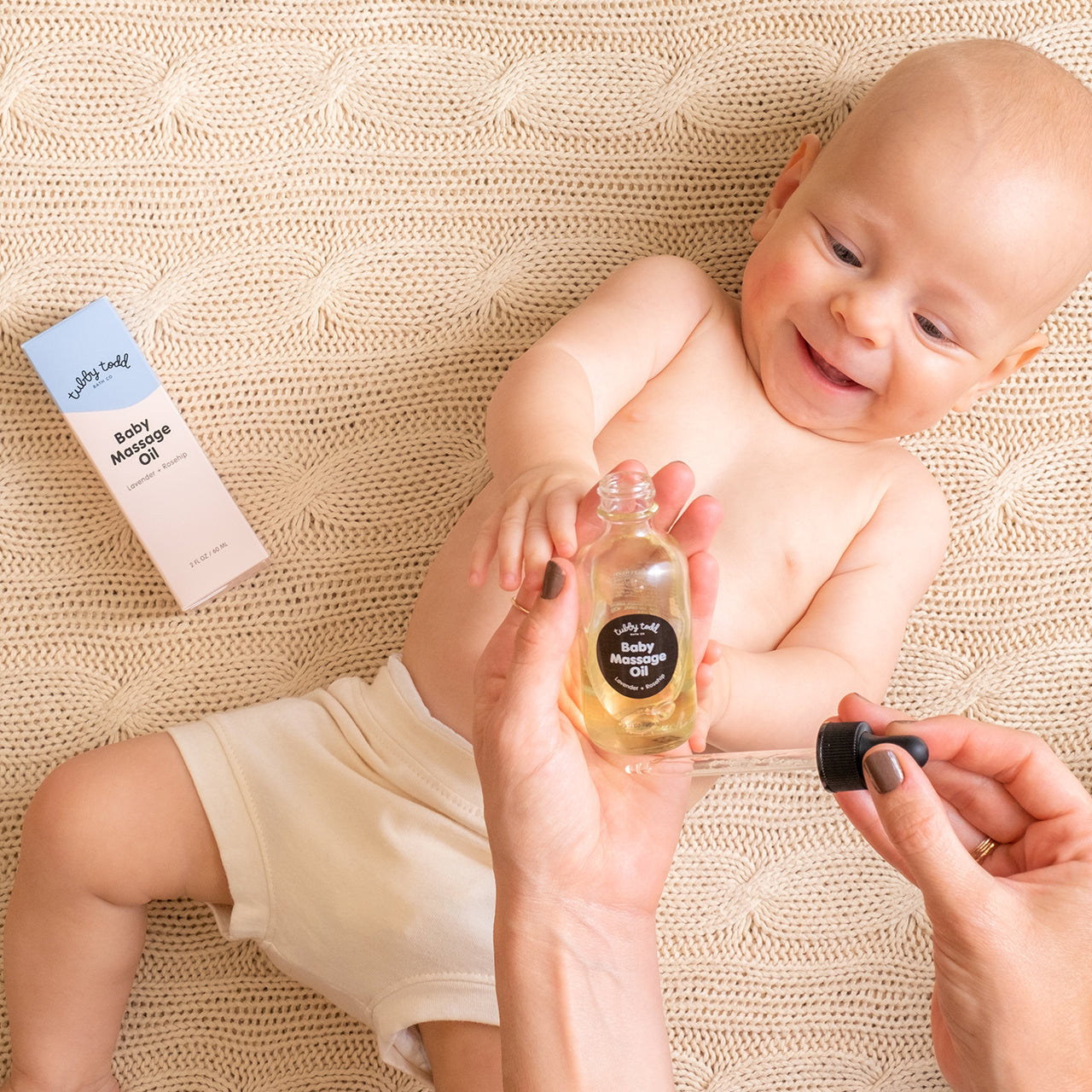
Baby Massage Oil

Baby Massage Oil is the perfect product to add to your sweet babe’s bathtime or bedtime ritual. Gently apply in a circular motion from head to little toes, focusing on any dry areas. Calendula works gently with other soothing ingredients to calm and moisturize the skin.
Hand Sanitizer

This travel sized hand sanitizer helps clean up life's messy moments while you're on the go. Fast drying and fresh smelling, it's the perfect travel companion. Your little one can also enjoy the soothing benefits of calendula with every use.
Diaper Bag Kit

This diaper bag kit makes on the go baby care easy with the soothing benefits of calendula. Packed with everyday essentials, it helps protect against diaper rash and includes everything you need for diaper changes, quick sun protection, and clean hands while traveling.
How to use Calendula on your baby
Calendula shows up in a few different forms, and each one has its place in a baby skincare routine:
-
Creams and ointments - most common form and the easiest to work into your baby's daily routine. Apply after bath time while skin is still slightly damp to lock in moisture.
-
Oils - for gentle massage or applied directly to dry patches. A little goes a long way.
-
Tea baths - traditional remedy where dried calendula flowers are steeped in warm water and added to a baby's bath. It's a gentle, whole-body soak that can help calm irritated skin all over.
For everyday use, a cream or ointment with calendula as an active ingredient is your most practical option. Look for it on the label as Calendula officinalis.
Is calendula completely safe?
For most babies, calendula is wonderfully gentle and well-tolerated. But there are some babies that could have allergic reactions to it.
Here are some precautions to keep in mind:
Ragweed allergy cross-reactivity
Calendula is a member of the Asteraceae plant family, the same family as ragweed, daisies, and chrysanthemums. If your baby has a known sensitivity to plants in this family, it's worth checking with your pediatrician before using calendula products.
Patch test first
Even with gentle natural ingredients, a patch test is always a good idea with a new product. Apply a small amount to the inside of your baby's wrist and wait 24 hours before using it more broadly.
Keep it topical
For babies, calendula should only be used topically (only on the skin). Internal use isn't appropriate for little ones.
For the vast majority of babies, though, calendula is one of the safest natural ingredients you'll find in baby skincare.
Calendula: a little flower with a lot to offer
You don't need a long, complicated ingredient list to care for your baby's skin. Sometimes the most effective ingredients are the ones that have been around the longest.
And calendula has been here for the long haul, soothing sensitive skin for centuries. It's just as effective today in your baby's favorite cream or balm as it ever was in a traditional herbal remedy.
So, if you’re looking for something gentle on your baby’s skin, calendula delivers it.
Frequently Asked Questions
1) Is calendula safe for newborns?
Yes, calendula is generally considered safe for newborn skin. It’s often used in baby skincare, being both gentle and natural. But, as always when trying a new skin product, do a patch test first and check with your pediatrician if you have any concerns.
2) Can I use calendula on my baby's eczema every day?
Yes. Calendula-based creams and ointments can be used as part of a daily moisturizing routine for eczema-prone skin. Consistent daily moisturizing is one of the best things you can do to help manage eczema and reduce the frequency of flares.
3) What's the difference between calendula and chamomile?
Both are gentle, anti-inflammatory botanicals used in baby skincare, but they come from different plants. Calendula comes from Calendula officinalis and is especially known for its wound-healing and skin barrier-supporting properties. Chamomile comes from Matricaria chamomilla and is known for its calming and soothing properties. Both are popular in baby products for good reason.
4) Can calendula help with diaper rash?
Yes. Calendula's anti-inflammatory and antimicrobial properties make it a helpful ingredient for soothing the irritated skin that comes with diaper rash. Our Diaper Rash Spray uses calendula to help calm and protect skin at every diaper change.
5) What should I look for on an ingredient label to find calendula?
Look for Calendula officinalis in the ingredient list. It may appear as calendula flower extract, calendula oil, or calendula officinalis flower extract depending on the form used in the product.
6) Which brands offer calendula-infused baby care products?
Tubby Todd includes calendula in a few targeted products designed for sensitive skin. Our Nipple Balm is formulated for nursing moms but is also lanolin-free, making it safe if your baby comes into contact with it during feeding.
And our Diaper Rash Spray puts calendula to work directly on your baby's bum. When shopping for any calendula product, always check the full ingredient list and look for Calendula officinalis to confirm it's actually in the formula.
7) What are the primary health benefits associated with calendula?
Calendula is best known for its anti-inflammatory, antimicrobial, and skin-barrier-supporting properties.
For babies specifically, it can help soothe eczema-prone skin, calm diaper rash, soften dry patches, and support healing of minor skin irritation. The active compounds behind these benefits include flavonoids, carotenoids, and triterpenes, which work together to reduce redness, fight off potential secondary infection, and support healthy skin.
8) What are the benefits of calendula tea for skin?
Calendula tea (made by steeping dried calendula flowers in warm water) has a long history of traditional use as a gentle skin remedy. When used as a bath soak, it can help calm irritated or inflamed skin all over the body.
Some parents add it to their baby's bathwater as a gentle, whole-body treatment for eczema flares or general skin sensitivity. Just make sure the water is lukewarm (not hot) and that your baby doesn't have a sensitivity to plants in the Asteraceae family before trying it.
Products in this post