
By mid-August, our inbox starts to sound the same. A parent writes in after a long Saturday at the lake, or a last splash pad trip before school starts, and the message is some version of: "Their cheeks are warm and pink, the skin on their little shoulders feels tight, and I need something gentle tonight." This guide walks through what the best after-sun lotion should actually do, which ingredients are worth looking for, and how to use them on the youngest, most sensitive skin in your house. A day in the sun pulls a lot of moisture out of skin, and the goal at bath time is simply to put that moisture back before dryness turns into peeling.
We started Tubby Todd to help our own child with sensitive skin, so those notes land close to home. Late summer is when skin takes the most sun and needs the most care, and the right after-sun step at the end of the day makes the difference between skin that bounces back and skin that flakes for a week.
Quick Answers
- What does after-sun lotion do? It puts back the moisture that sun, wind, salt water and chlorine pull out of skin, so skin feels comfortable and is less likely to peel.
- What should the best after-sun lotion have? Hydrating ingredients like aloe, soy or colloidal oatmeal, and no synthetic fragrance, menthol or drying alcohol.
- When should you put it on? Think of it as your everyday lotion routine, not a special step. Moisturize after bath while skin is still slightly damp, and keep that daily habit going, especially in the days after time in the sun.
- Is after-sun lotion a sunburn treatment? No. It’s a hydration step. A real burn needs cool compresses and extra water. Call your doctor for blistering, fever, any sunburn on a baby under 1, or anything that seems unusual or concerning.
What does after-sun lotion do?
An after-sun lotion is a moisturizer you use once skin has been out in the heat and sun for a while. Time outside, wind, salt water, and chlorine can all dry skin out, so the job of an after-sun product is to replenish moisture and help skin feel comfortable again as it recovers on its own.
The best after-sun lotion leans on ingredients that hydrate and soften without a heavy, greasy layer that traps heat against warm skin. That’s why texture matters as much as the ingredient list. A lightweight lotion sinks into and lets skin breathe, while a richer balm is better saved for the dry, flake-prone patches that show up a day or two later. Colloidal oatmeal is worth calling out here: in over-the-counter formulas, it is a recognized skin-protectant ingredient that helps soothe and support the skin's moisture barrier, which is exactly the barrier a hot day works against.
We do want to point out that an after-sun lotion is not a treatment for a real sunburn. So, think of after-sun lotion as the nightly hydration habit that keeps ordinary sun exposure from drying skin out, not a fix for a burn that has already set in.
What should you look for in the best after-sun lotion?
No synthetic fragrances
Warm, sun-exposed skin is more reactive than usual, and synthetic fragrance is a common irritant. The good news is you have options: Tubby Todd makes a fragrance-free version for the most reactive skin, plus naturally scented ones like Lavender + Rosemary that get their scent from real aromatic ingredients rather than synthetics. Either way, you are keeping the harshest irritants off tender skin.
Hydrating ingredients
Look for humectants and softening plant oils, plus soothing standbys like aloe or colloidal oatmeal. The American Academy of Dermatology specifically recommends a moisturizer with aloe vera or soy to help comfort sun-exposed skin.
No drying alcohols or menthol “cooling” agents
Many gels that promise an icy tingle rely on menthol or high levels of alcohol. That cold hit feels nice for a second, then can sting and dry skin further, which is the opposite of what you want on tender skin.
Rich enough to hold moisture overnight
Skin does a lot of its recovery while you sleep. A lotion that absorbs but still leaves skin soft by morning is doing its job.
What is the best after-sun lotion for babies and sensitive skin?
Babies feel the sun faster than adults do. Their skin is thinner, loses water more quickly, and reacts to ingredients grown-up skin shrugs off. That is why the same qualities matter even more here: fragrance-free, short and recognizable ingredient lists, and a texture gentle enough for daily use.
Two habits go a long way. First, patch test anything new. Dab a small amount on the inside of the forearm and wait a day before going head to toe, especially if your little one has a history of eczema or reactions. Second, resist the pull of a single-use "after-sun" product marketed just for sunburn. For most families, the everyday lotion you already trust on sensitive skin is the better after-sun choice, because you know how skin responds to it and you will actually keep using it. Tubby Todd's whole sensitive-skin skincare lineup is built around that idea: gentle enough for a newborn, useful for the whole family. For a deeper primer on caring for skin after a day outside, our team also put together four steps for after-sun baby skincare.
A good after-sun routine is really just your everyday routine. Skin that’s moisturized every day is better prepared for a long day outside, so keep your lotion habit going all week, not just after a big beach day. And to be clear, an after-sun lotion isn’t a treatment for a real sunburn. It’s the daily hydration habit that keeps ordinary sun exposure from drying skin out.

How do you keep sun-exposed skin from peeling?
Peeling is skin shedding cells that dried out and got damaged in the sun. You can’t always prevent it completely, but the best after-sun lotion habit gives you the best odds of skin that stays smooth instead of flaking.
-
Moisturize early and often. Do not wait for skin to look dry. Start hydrating the evening of sun exposure and keep going for several days. Consistent moisture is what keeps the top layer supple.
-
Do not pick or exfoliate. Peeling skin is tempting to help along, but pulling or scrubbing can damage the fresh skin underneath. Cleveland Clinic says, let it flake off on its own and keep the area moisturized. Skip loofahs, scrubs, and exfoliating acids until skin has fully calmed.
-
Hydrate from the inside. Sun exposure pulls fluid toward the skin's surface, so drink extra water. This matters for kids especially, who can get dehydrated fast in summer heat.
-
Keep baths cool, not cold. A cool (not icy) bath soothes warm skin, then a moisturizer applied while skin is still damp locks that water in. Hot water does the opposite and dries skin out.
Peeling that already started is not an emergency, but it is a sign skin got drier than it should have. Steady moisture is the answer, and it is a lot easier than trying to reverse a flaky week after the fact.
The best after-sun lotion routine: bath, lotion, ointment
After plenty of big sun days with our own littles, this is the three-step routine we always come back to.
Start with a soak. Drop an Oat So Soothing bath bomb into a cool bath and let your little one splash while the colloidal oatmeal makes bath time extra gentle. It’s an easy, scrub-free way to wind down after a long, warm day.
Next comes lotion, head to toe, and this is the step that matters most. Pat skin most of the way dry, then smooth on Everyday Lotion while it's still slightly damp so it seals that moisture in. You don't need a heavy, specialty formula for this. The best after-sun lotion is really just a gentle, everyday one you'll actually reach for, and ours is our most lightweight, fragrance-free daily moisturizer, so it hydrates and softens without sitting heavy on warm skin. Think of it as the everyday after-sun step that keeps ordinary sun exposure from drying skin out.
Finally, add a layer to the dry patches. For the spots that always end up driest and most flake-prone, the tops of shoulders, cheeks, the bridge of a little nose, reach for All Over Ointment. Made with 1% colloidal oatmeal, it helps soothe and support the skin's moisture barrier right where skin needs the most backup.
If your child runs very dry in general, our Dream Cream is the heavier moisturizer to swap in for extra staying power. To be clear, none of these are a burn treatment. They are the hydration routine that keeps sun-exposed skin comfortable and less likely to peel.
The best after-sun care starts before being in the sun
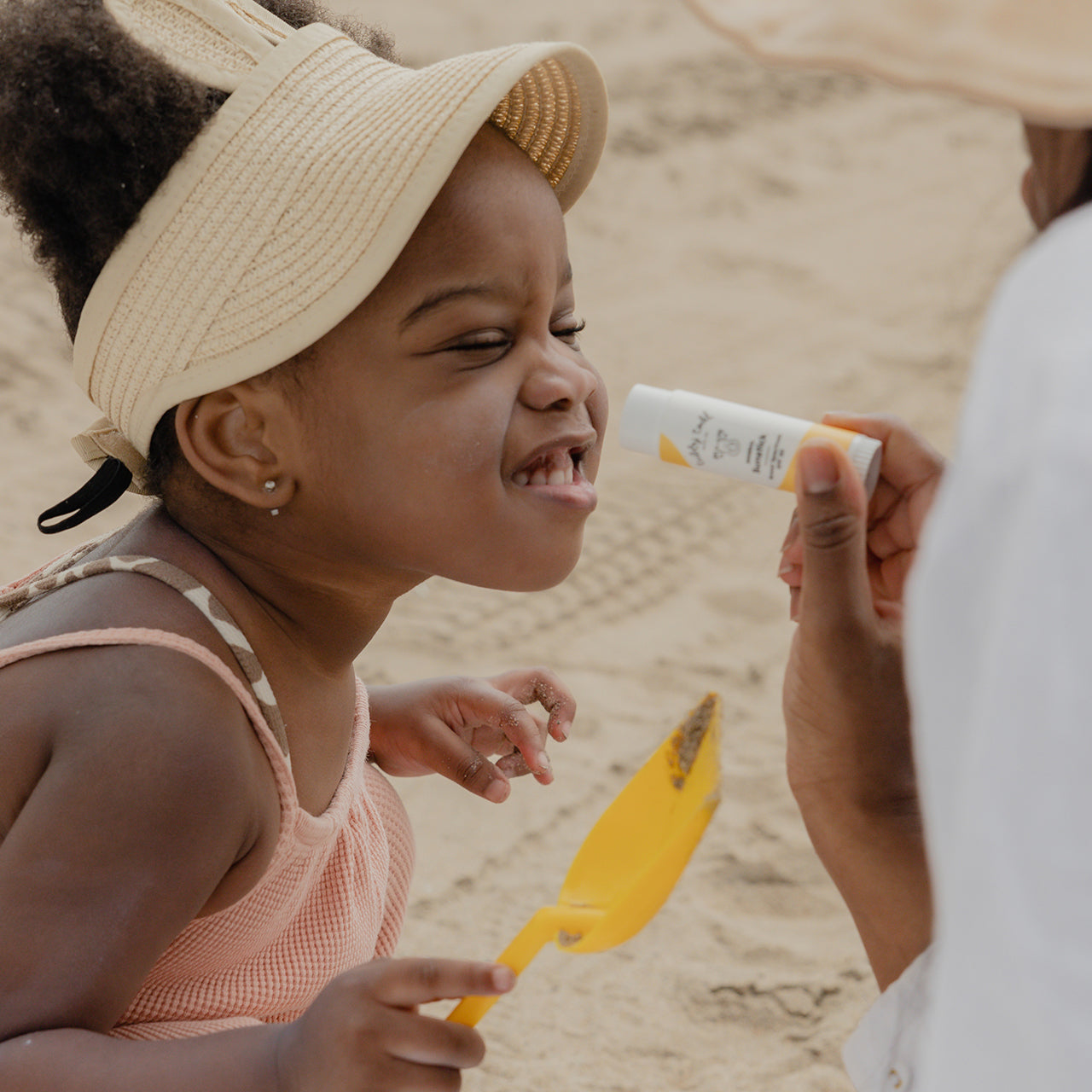
The best after-sun care actually starts before the sun. What protects skin most is the sunscreen you put on that morning. Nothing you smooth on at bath time beats skin that never burned in the first place. So make reapplication the habit: broad-spectrum mineral sunscreen every two hours, and more often after swimming or sweating, plus shade and a hat for the hours when the sun is strongest.
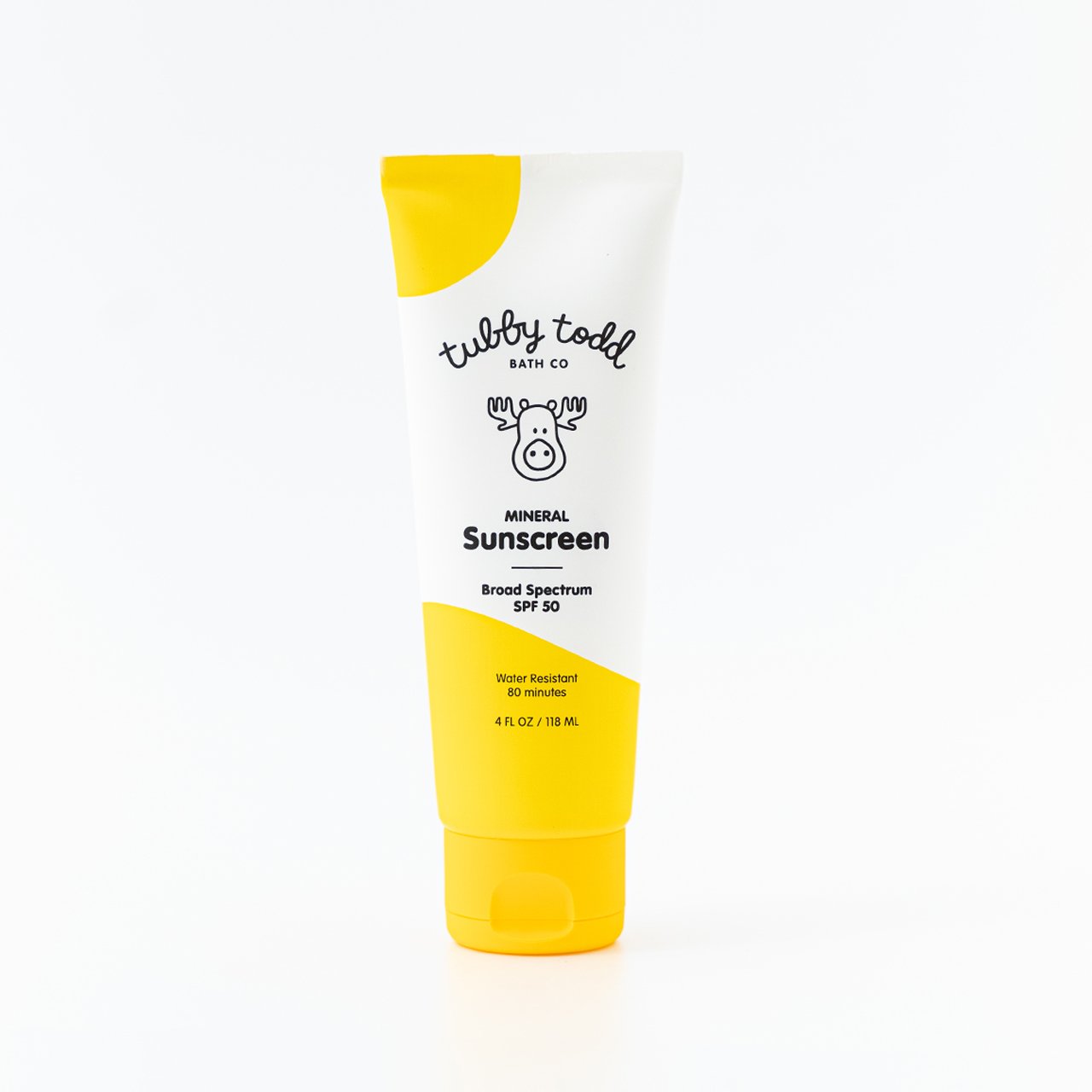
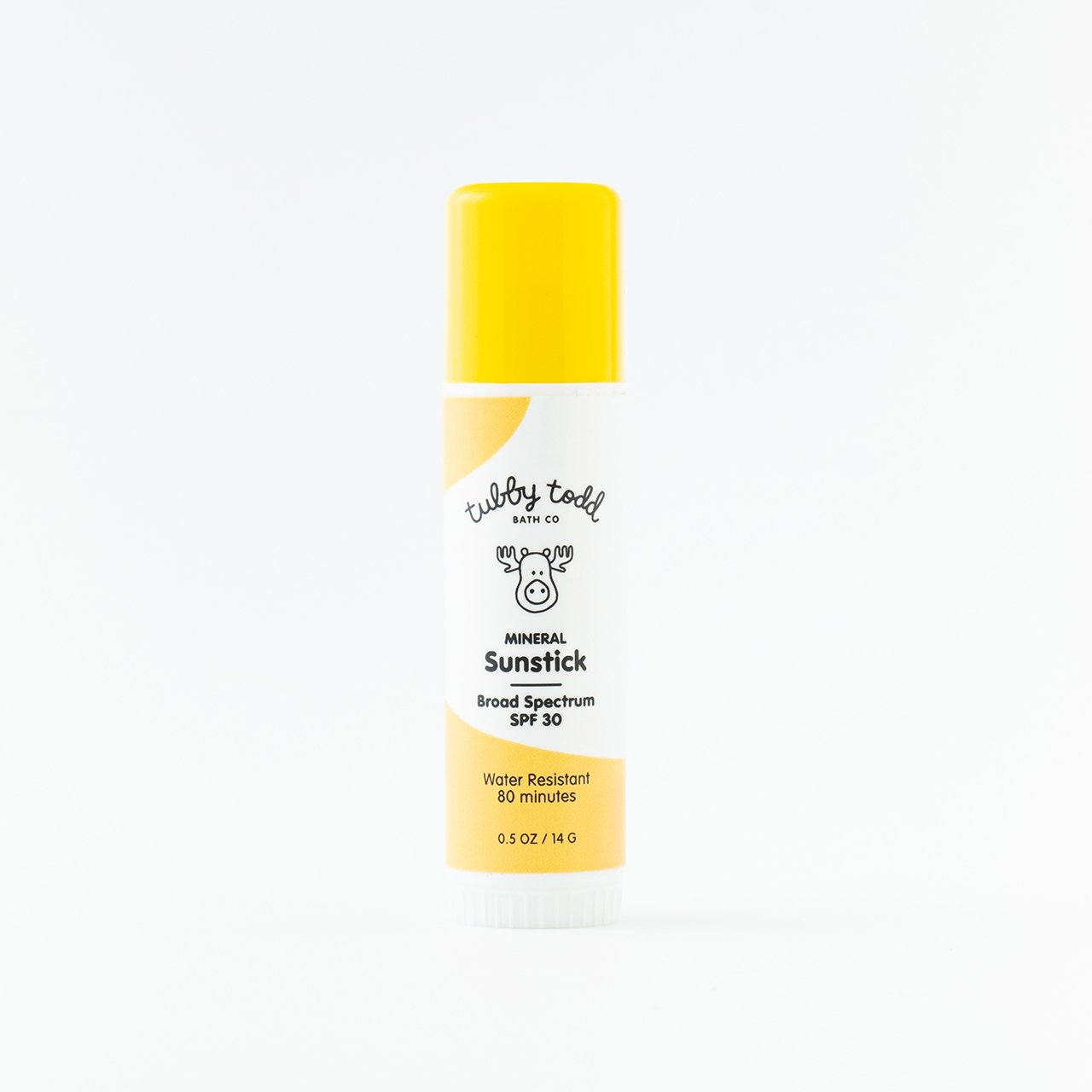
If you are restocking for the season, our sun protection collection is built for sensitive skin, with Mineral Sunscreen SPF 50 for full coverage and the Mineral Sunstick SPF 30 for quick touch-ups on faces and ears without the wrestling match. Protect well during the day, hydrate gently at night, and sun-kissed skin has everything it needs to stay soft straight through Labor Day.
Frequently Asked Questions
Can you put regular lotion on a sunburn?
Yes. A gentle, fragrance-free everyday lotion is often the best after-sun lotion, and the American Academy of Dermatology recommends moisturizing sunburned skin with soothing ingredients like aloe. Skip added fragrance, menthol, and drying alcohol, which can sting, and avoid thick balms that trap heat on a fresh burn. If skin blisters, call a doctor.
Is aloe or lotion better after sun?
They do different jobs. Aloe feels cooling right after sun, while a moisturizing lotion keeps skin hydrated over the next few days. Many families use both: aloe or an aloe-containing lotion first, then a richer moisturizer as skin recovers. A formula that combines soothing and hydrating ingredients saves you a step.
What about a sunburn that needs more than lotion?
Sometimes a day gets away from you and the sunscreen wears off. If skin is truly sunburned, after-sun lotion is not the tool for the job. Cool compresses, extra water, and gentle, undisturbed skin are the basics of sunburn relief, and pain relievers can help with the sting. Once a burn has settled and skin is only dry, that is when your regular moisturizing routine picks back up.
When does a sunburn need a doctor’s attention?
Most sunburns are handled at home, but call a doctor for large blisters, fever, chills, or headache. Mayo Clinic advises immediate care for a fever over 103°F with vomiting, confusion, dizziness, or dehydration.
For babies, the bar is lower. Any sunburn on an infant under one year of age is worth a call to your pediatrician, even if it looks mild. Little ones dehydrate and overheat quickly, and it is always better to check.
How often should you reapply after-sun lotion?
Moisturize the evening of sun exposure, again the next morning, and keep going once or twice a day for several days while skin recovers. Reapply any time skin feels tight or dry. Consistency matters more than any single application, and steady moisture is what keeps sun-exposed skin from drying out and peeling.
Products in this post