
Compared to adult skin, baby's skin is thinner and more permeable because it's still developing, which makes it more reactive to dryness and irritation.
That’s where baby skin pH balance comes in.
pH is a measure of how acidic or alkaline something is. Healthy human skin naturally sits on the slightly acidic side, and this acidity is closely tied to how well the skin barrier functions.
In simple terms: when skin stays close to its natural pH range, it’s better able to hold onto moisture and stay comfortable. When pH shifts too far out of range—often due to harsh cleansing or repeated exposure to irritating conditions—skin can feel dry or uncomfortable.

The skin barrier is a delicate ecosystem
The outer layer of skin isn’t just a surface. It’s a working ecosystem made up of systems that rely on balance to keep skin feeling comfortable.
A naturally acidic pH
Healthy skin prefers a slightly acidic environment, often referred to as the “acid mantle.” This acidity supports barrier function and helps skin stay resilient. When skin pH becomes more alkaline, the barrier can become less effective at retaining moisture.
A balanced skin microbiome
The skin surface naturally hosts microorganisms. Research shows that skin pH and barrier health are closely linked to the balance of these microbes. When that balance is disrupted, skin can become more prone to dryness and irritation.
“Goldilocks” oil levels
The outer layer of skin relies on lipids (natural oils) to help slow the loss of water and support the skin barrier. Research shows that surfactants used in many cleansers can extract these lipids and disrupt the structure of the outer layer of skin, which may weaken barrier function and contribute to dryness, especially when skin is already delicate.
Why gentle cleansing matters for babies
Studies on infant skin care consistently show that higher-pH soaps and harsh cleansing can alter skin surface pH and disrupt the skin barrier. This is why gentler cleansing approaches are often recommended for babies.
For example, many traditional soaps and bubble baths can have a pH around 9-10, while our Bubble Bath is formulated between pH 5.5 and 6.25.
In everyday routines, gentle cleansing typically looks like:
-
avoiding harsh or overly stripping cleansers
-
keeping bath time simple
-
following with moisture support when skin feels dry
Supporting the skin barrier after bath time
After cleansing, moisturizers help reduce moisture loss by supporting the outer layer of skin.
Depending on how dry skin feels, Tubby Todd offers:
-
Everyday Lotion for lighter daily moisture
-
Dream Cream for richer moisture support
-
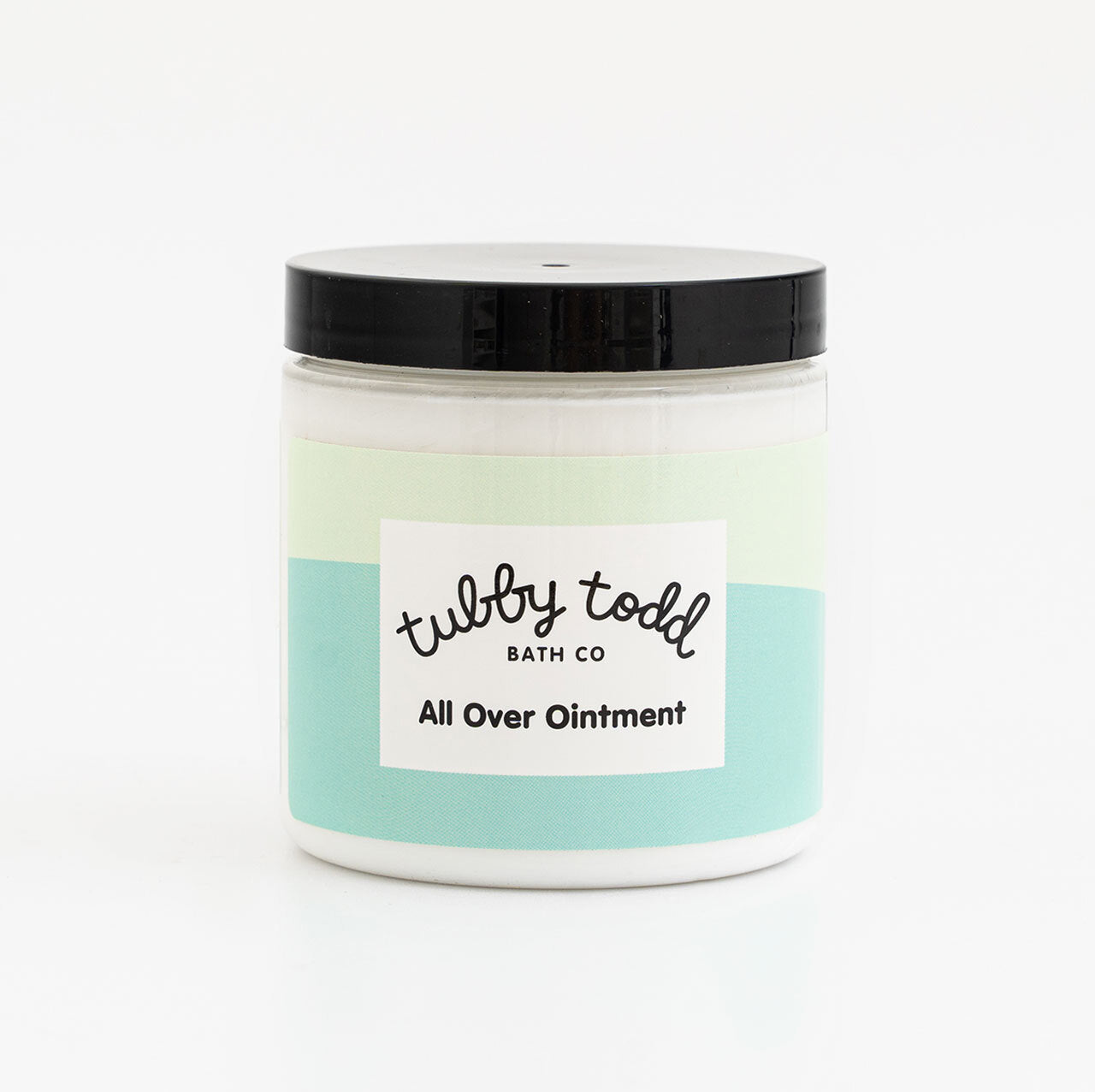
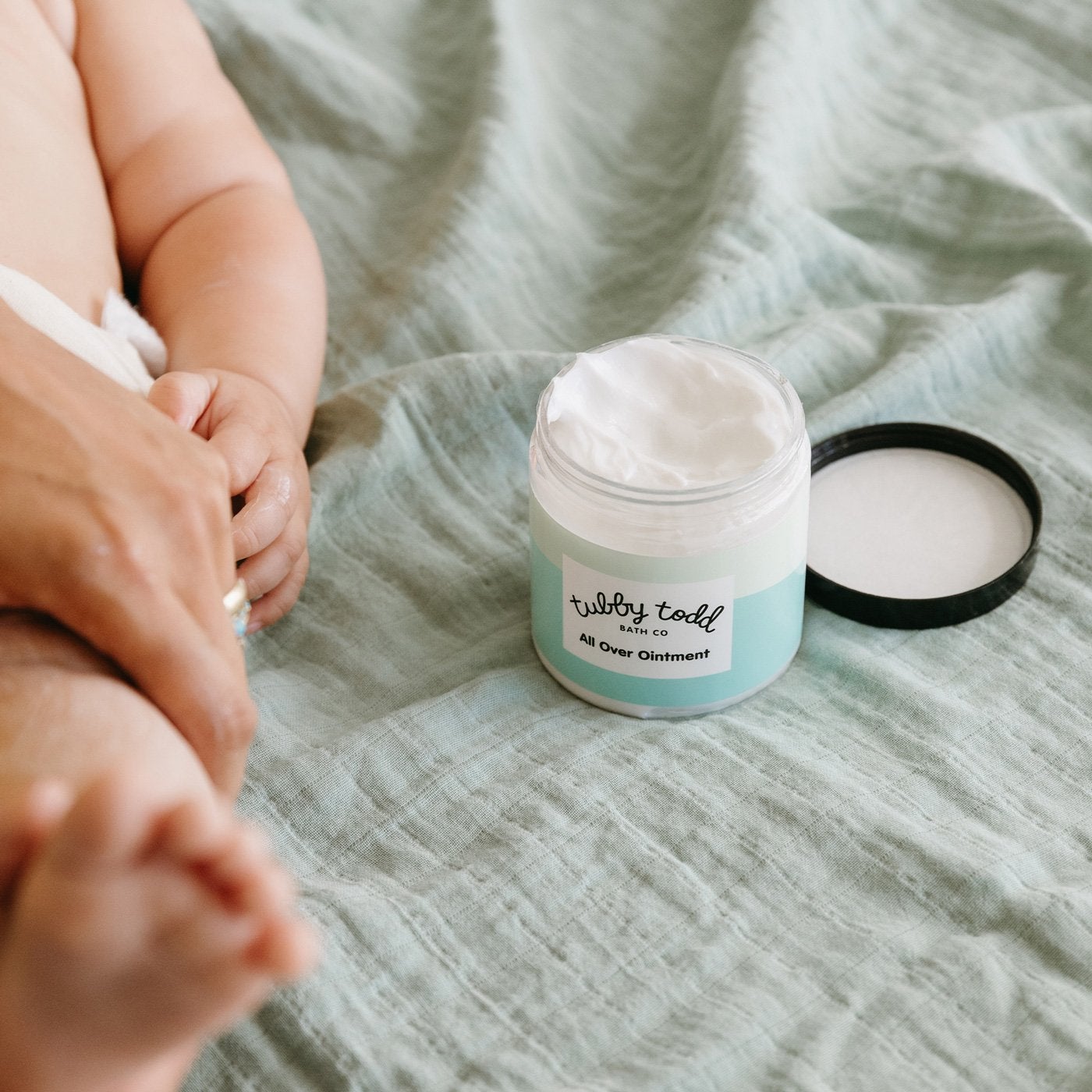
All Over Ointment for very dry areas

pH balance in the diaper area
The diaper area goes through a lot. Between moisture, warmth, urine, and stool, skin here is regularly exposed to conditions that can throw off its natural balance and lead to irritation.
That’s why diaper rash conversations often come back to pH. Contact with urine and stool can temporarily shift skin pH, making the area more prone to discomfort, especially with frequent changes throughout the day. Our post Best Diaper Rash Cream: Which Factors Matter Most breaks this down in a way that’s easy to understand, including why gentle care and barrier support matter in everyday diaper routines.
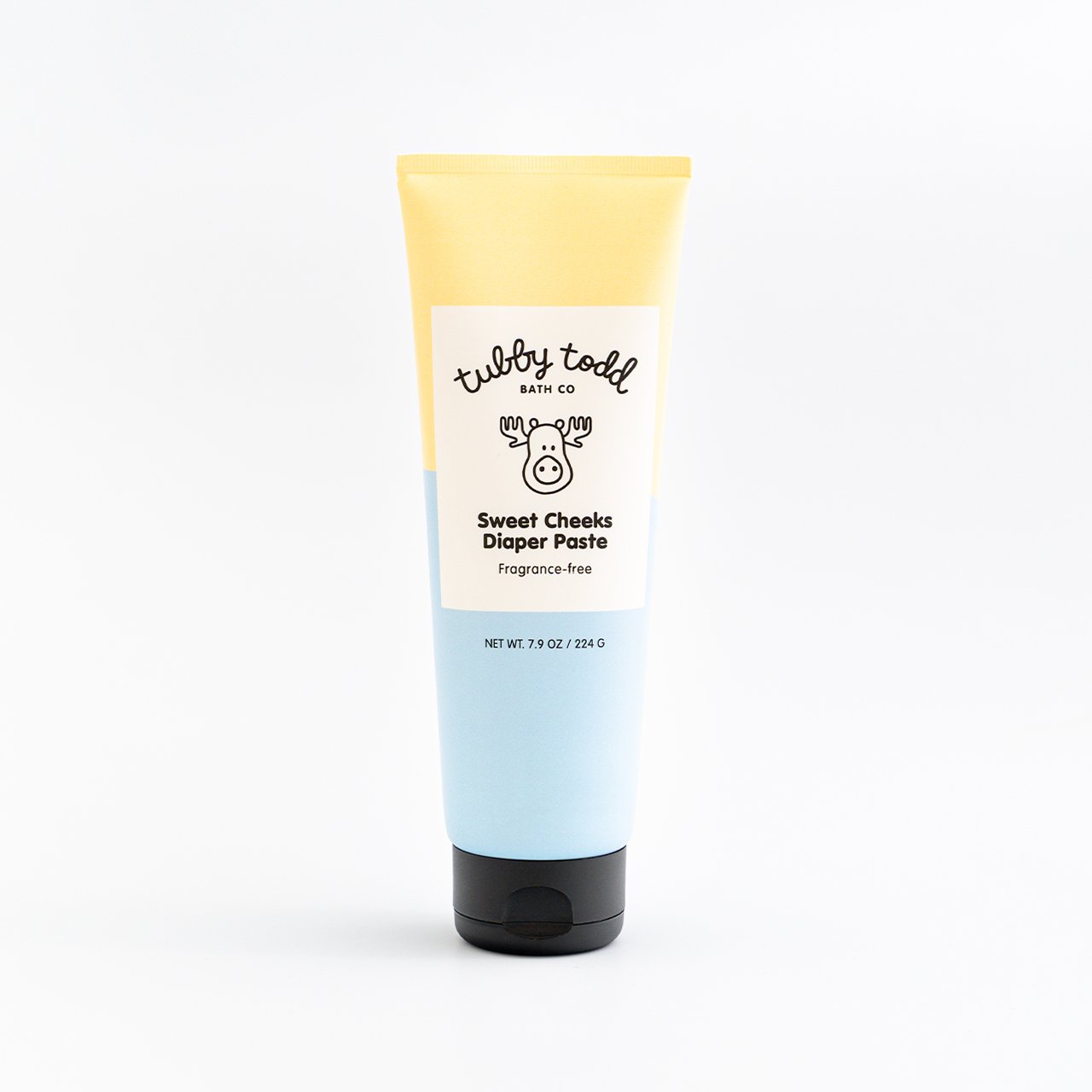
Because the diaper area is exposed so often, many families lean on barrier-focused products to help keep skin feeling comfortable between changes. Sweet Cheeks Diaper Paste is designed for exactly these everyday moments.
How do I know if my baby wash is too harsh?
You don’t need to measure pH at home. Some common signs a cleanser may not be working well for baby skin include:
-
skin feeling tight after bathing
-
dryness appearing more frequently
-
redness shortly after washing
Pediatric skin literature supports adjusting cleansing routines and choosing gentler options when these signs show up.
Choosing skincare for sensitive baby skin
If your baby’s skin seems sensitive, you’re not alone. Many babies experience sensitivity simply because their skin barrier is still developing. That can mean skin reacts more quickly to things like frequent bathing, friction, or products that are a little too harsh for where their skin is right now.
When you’re choosing skincare for sensitive baby skin, gentler is usually the better place to start. Looking at ingredients—and understanding why certain ones are commonly used in baby care—can help take some of the guesswork out of building a routine.
If you want a closer look at the ingredients we use and why, 5 Ingredients We Love for Sensitive Skin walks through a few parent-favorite options and what makes Tubby Todd products a good fit for delicate skin.
The takeaway
Supporting baby skin pH isn’t about doing more or adding extra steps. It’s about choosing gentler, barrier-respecting routines that work with the skin—not against it. When the skin’s natural systems, like pH, moisture, and oils, stay in balance, skin tends to feel more comfortable day to day.
Products in this post